Sensory Garden at the Animal Shelter in Kaiserslautern, Germany

Visit to the Sensory Garden at Tierheim Kaiserslautern, Germany
In March 2025, we finally had the opportunity to visit the wonderful team at Tierheim Kaiserslautern, a shelter that has inspired our work for many years. Along with Marcel, Iefke and Bob, I visited the shelter and presented a donation raised through Sensory Garden Bella.
Our connection began in 2020, when I discovered their Sensory Garden online while living in Sweden. The concept and its benefits for shelter dogs made a lasting impression and have continued to inspire our own sensory garden activities ever since. Meeting the team and seeing the Sensory Garden in person was truly special.
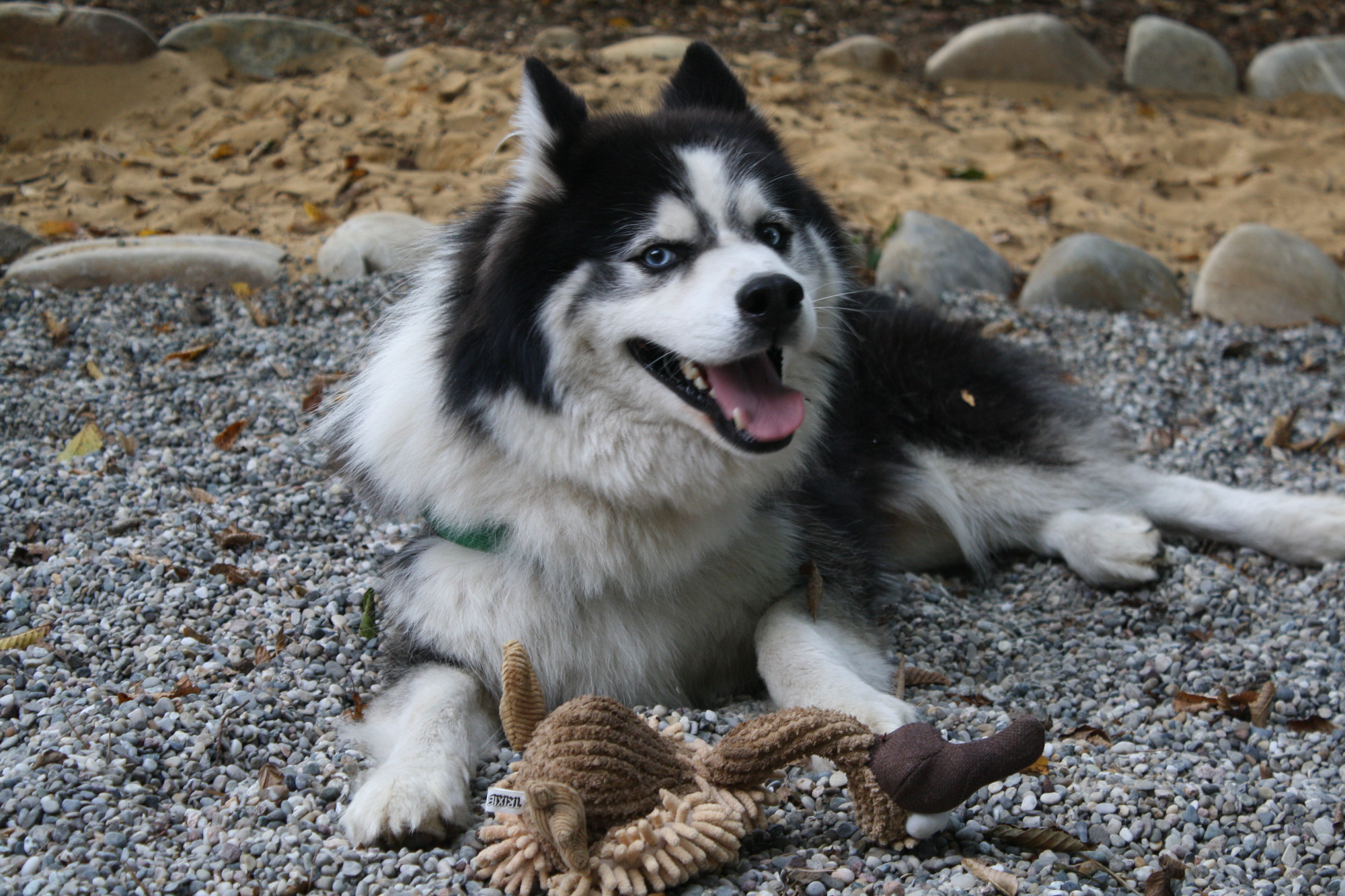
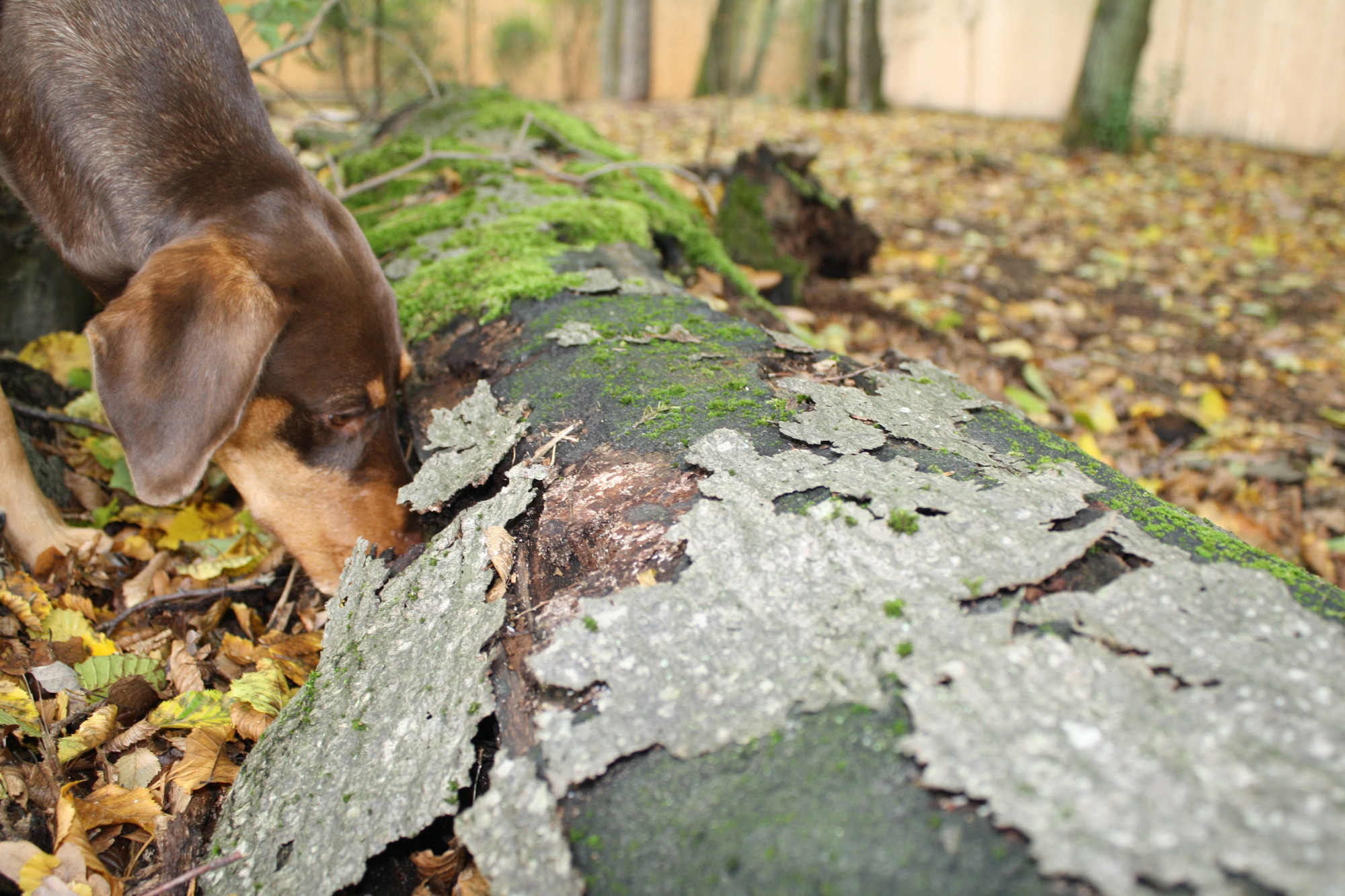
The garden provides shelter dogs with a safe and enriching environment where they can sniff, explore and simply enjoy being dogs. It is a beautiful example of how sensory enrichment can support welfare, reduce stress and improve the daily lives of dogs in shelter care.
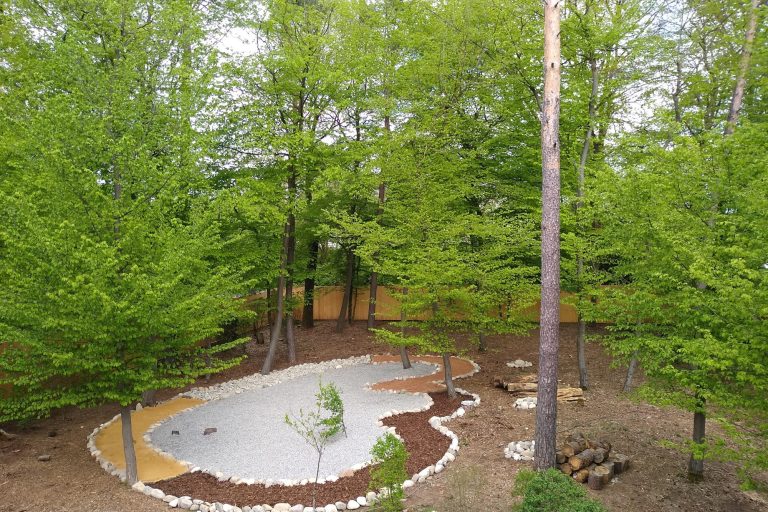
Design:
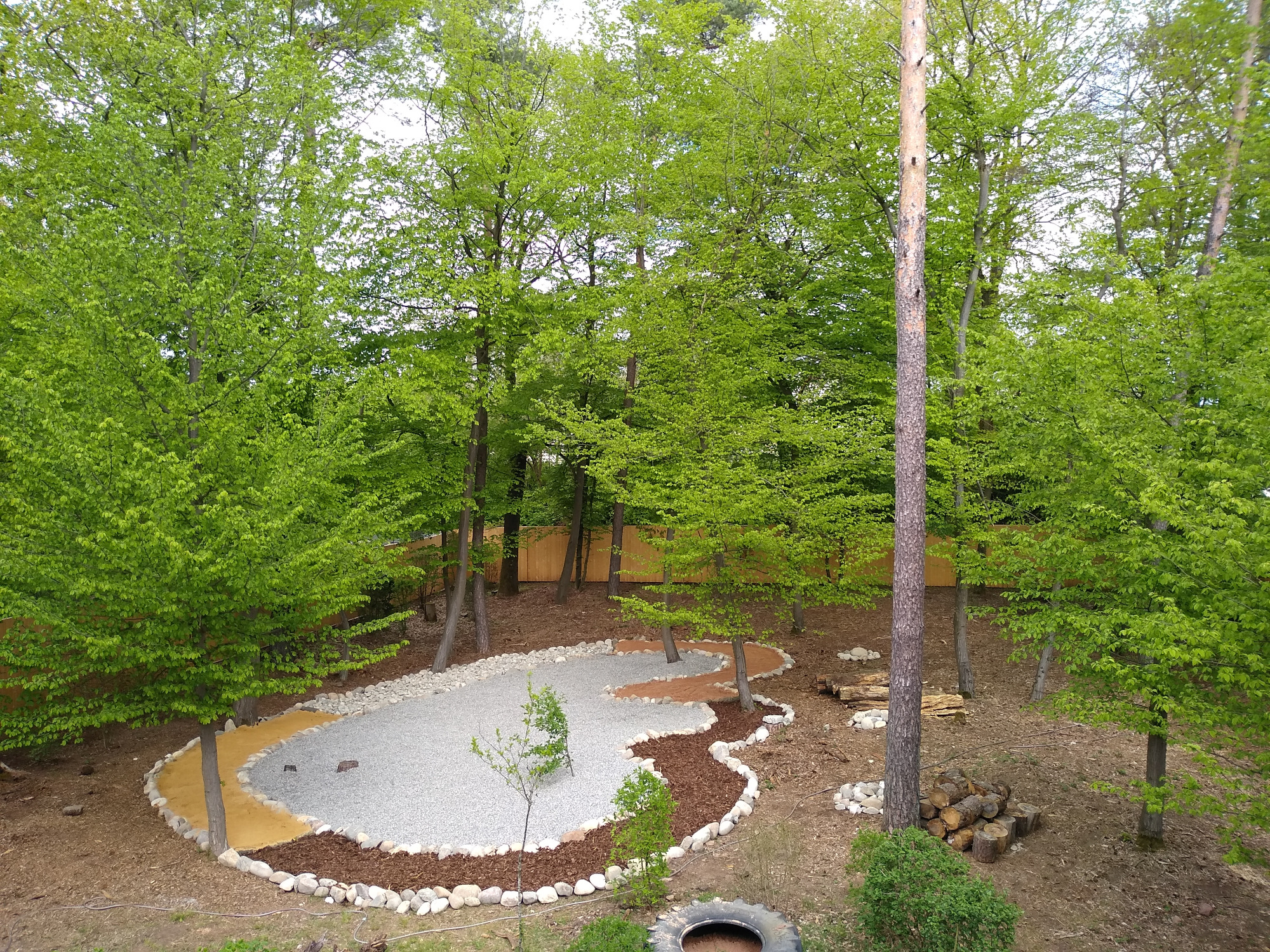
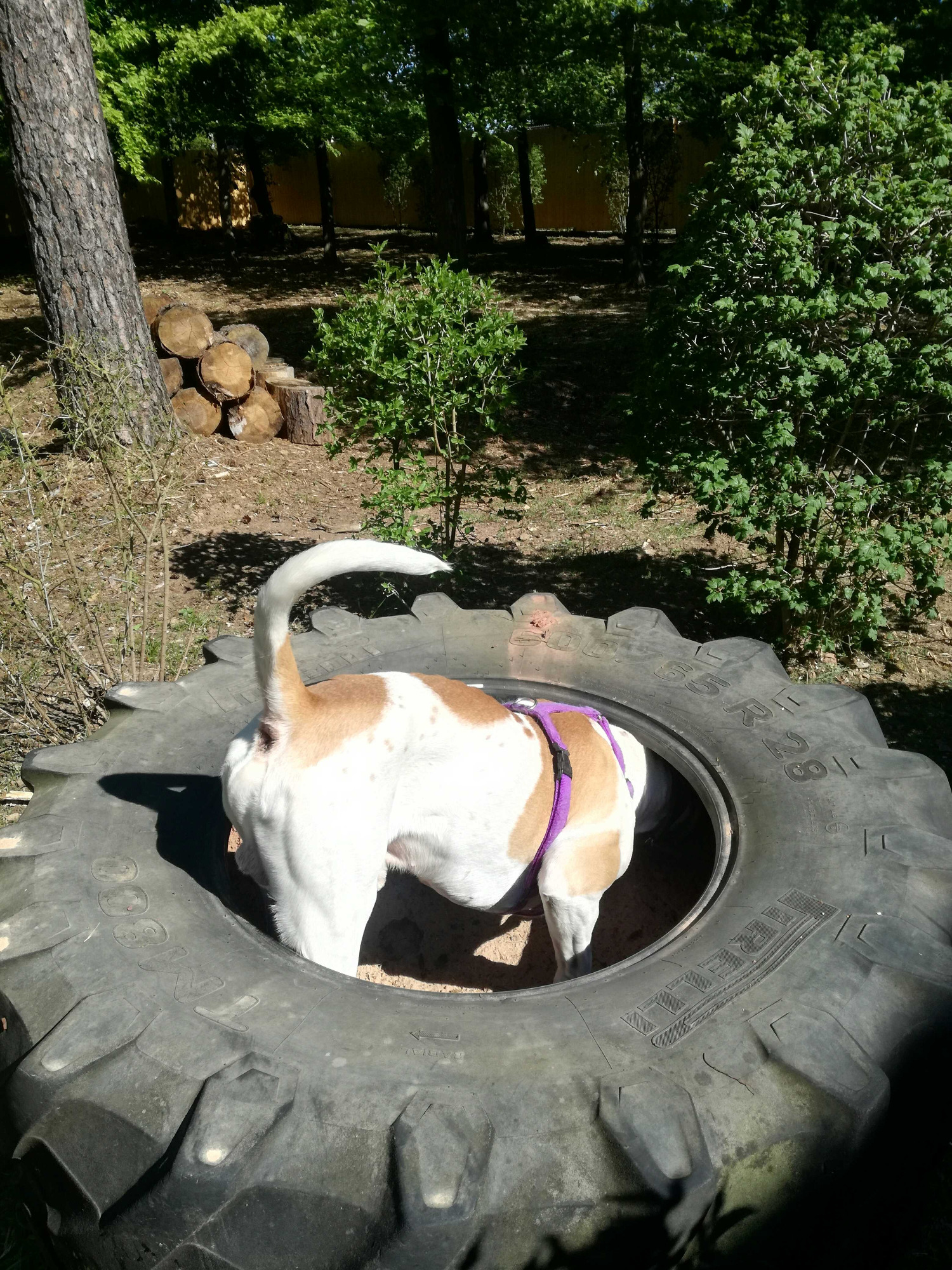
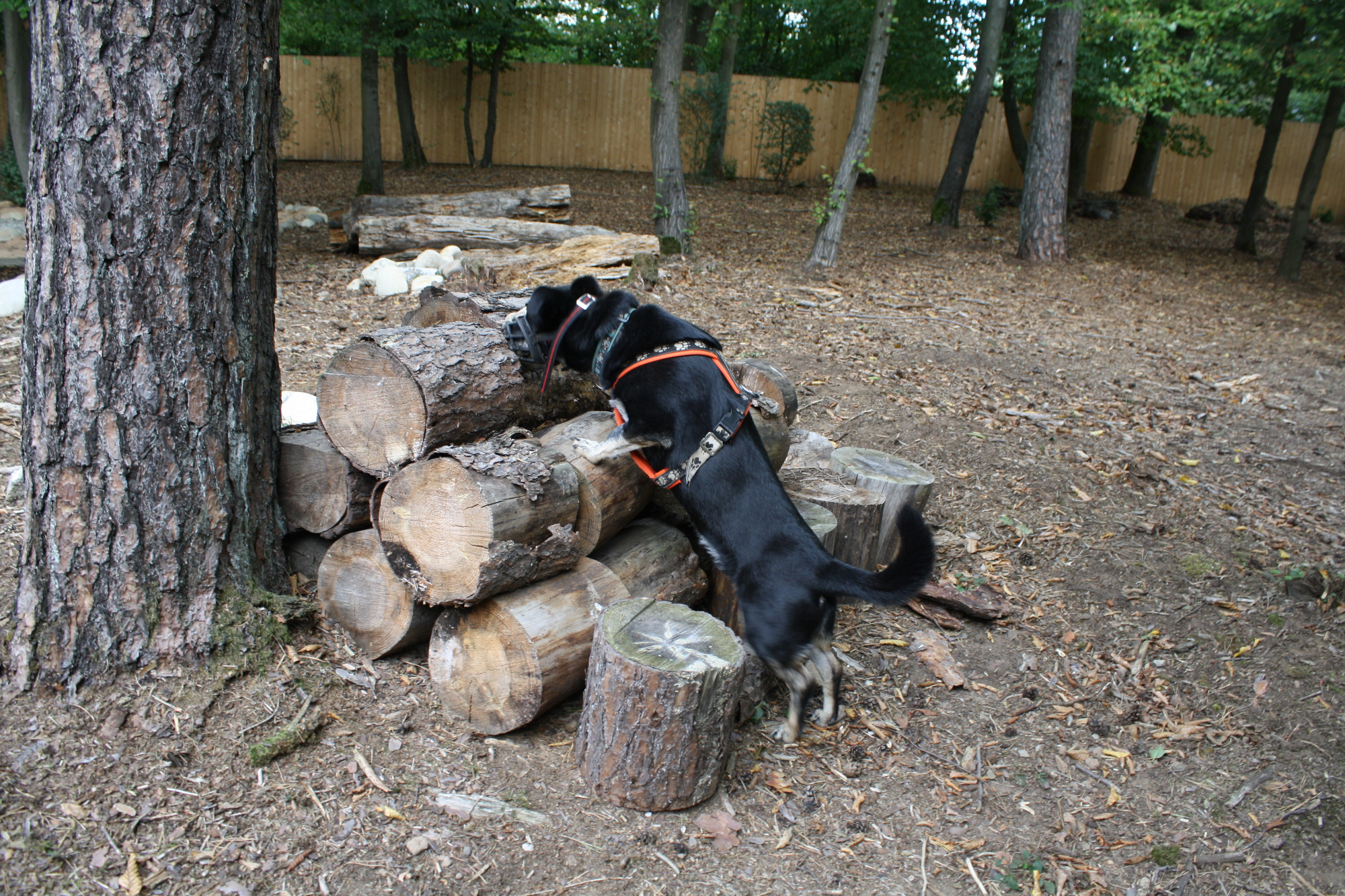
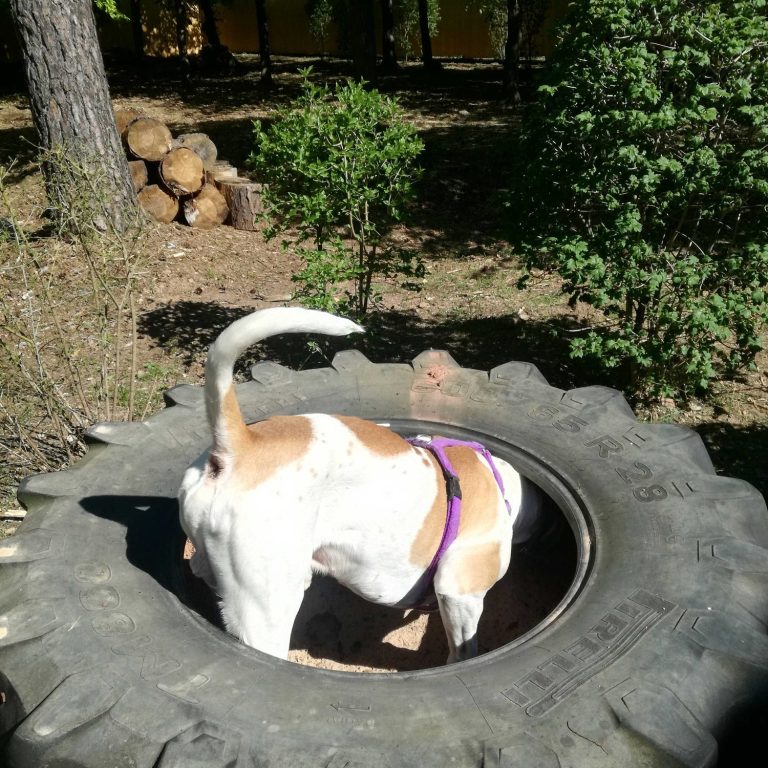
The Sensory Garden has been carefully designed with a variety of enriching features that stimulate dogs' natural curiosity, including sand pits, sensory planting areas, stacked logs, a lookout tower, small bridges, and different surfaces such as pebbles and wood chips.
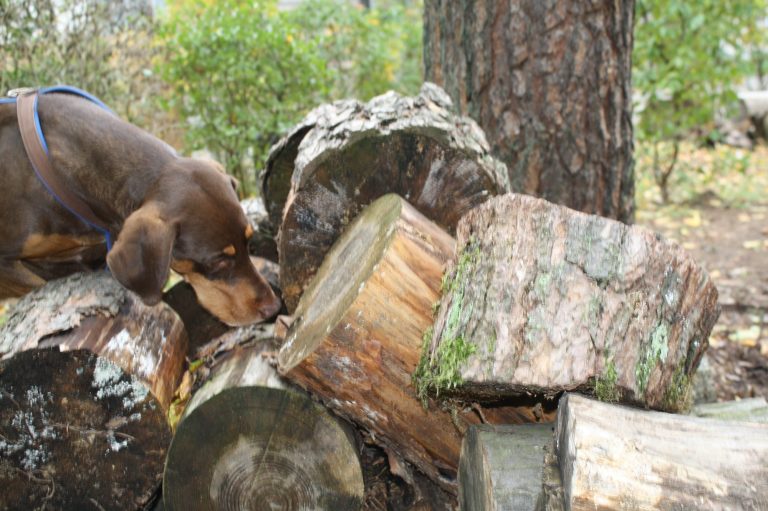
Mental Stimulation & Training:
The Sensory Garden is used not only for mental enrichment but also as part of puppy training. Puppies are introduced to a variety of surfaces and experiences, helping to build confidence and support their development. In addition, the Sensory Garden is used for introductions between dogs and to support physical rehabilitation and muscle strengthening following surgery.
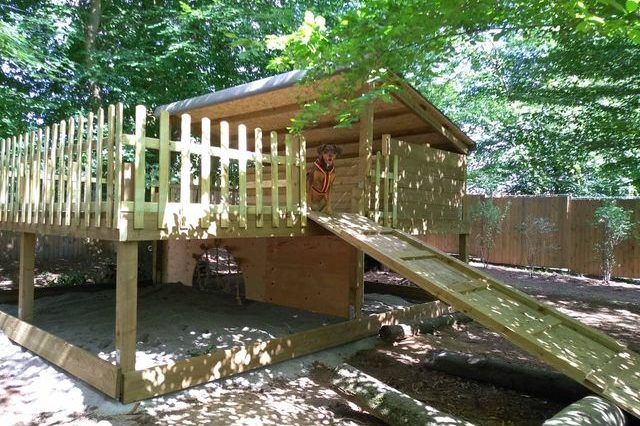
Shade & Elevated Views:
With its many mature trees, the Sensory Garden offers plenty of natural shade during warmer weather, making it a pleasant place for both dogs and their handlers. A particularly popular feature is the elevated viewing platform, where dogs can climb up, observe their surroundings, and enjoy the world from a different perspective.
Every Season Brings Something New:
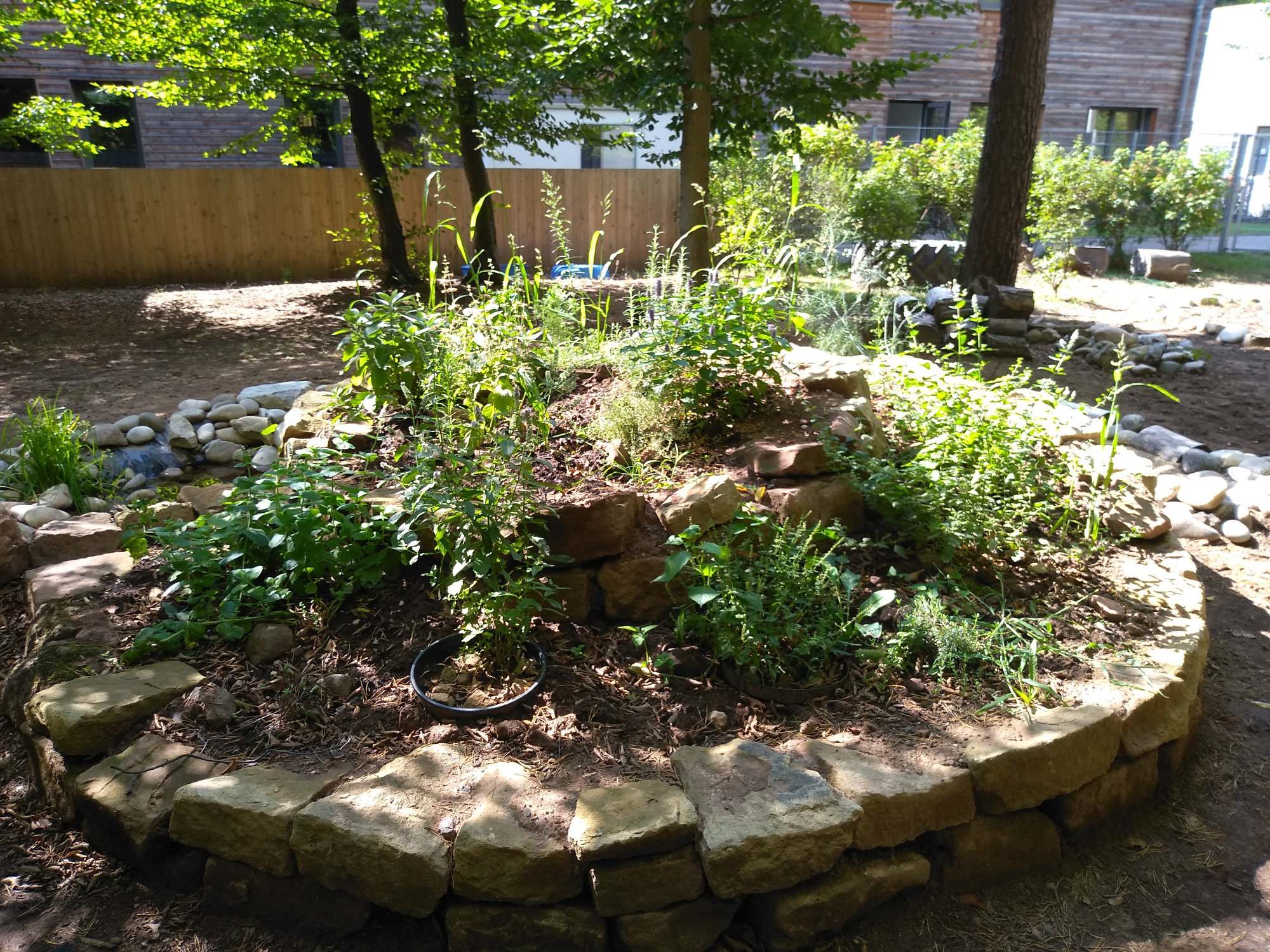
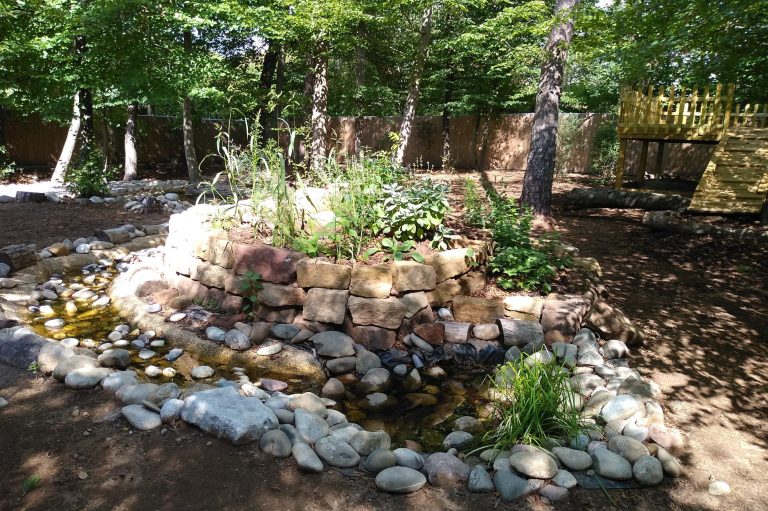
Although the Sensory Garden was still in its winter appearance during our visit, the dogs enjoyed it just as much. Preparations for spring were already in full swing, including the beautiful spiral-shaped herb garden with its different levels, aromatic plants, and a small flowing stream that adds an extra sensory dimension to the garden.
Wheatgrass:
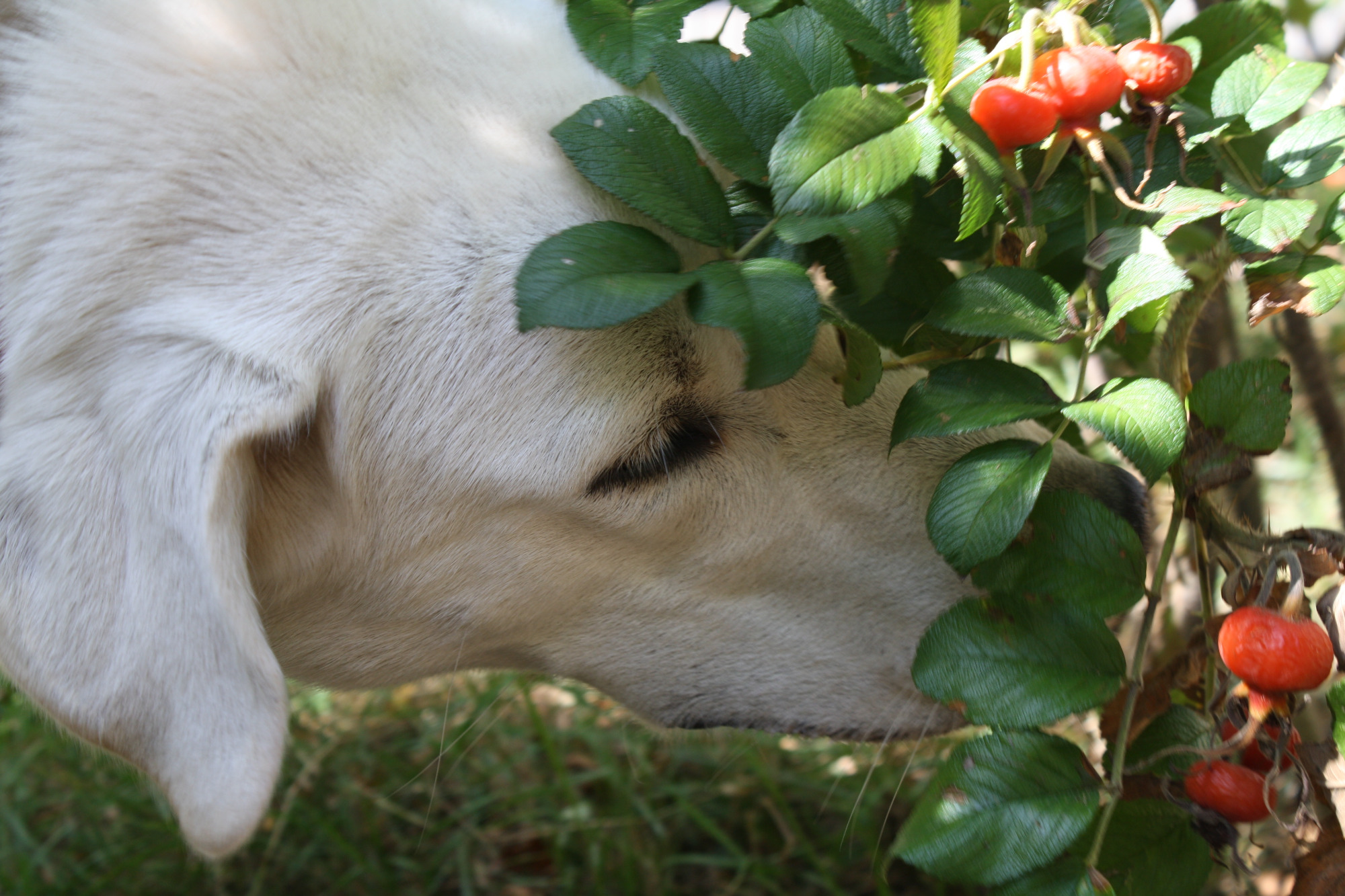
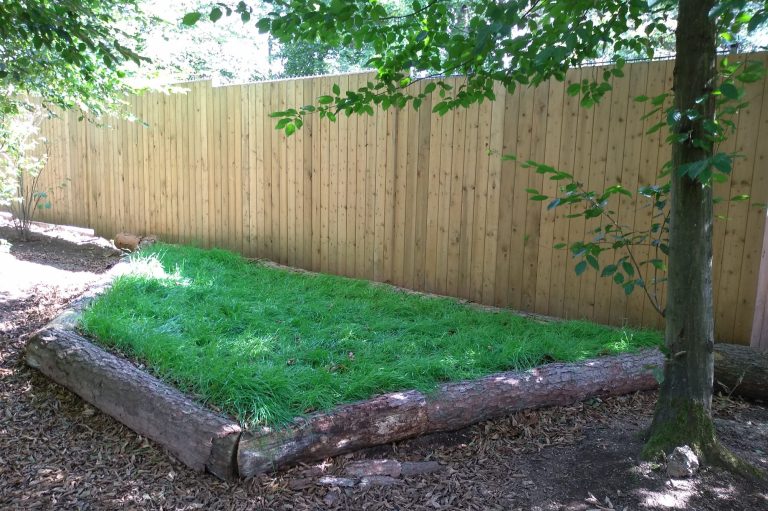
One of the garden's unique features is a bed of wheatgrass, which is surprisingly popular with many dogs. Dogs do not necessarily eat grass because they feel sick. Instead, they may be attracted to specific flavours, textures, or nutrients that appeal to them at that moment. Chewing and grazing can also have a calming effect, helping dogs to relax while enjoying a natural sensory experience
Different surfaces :
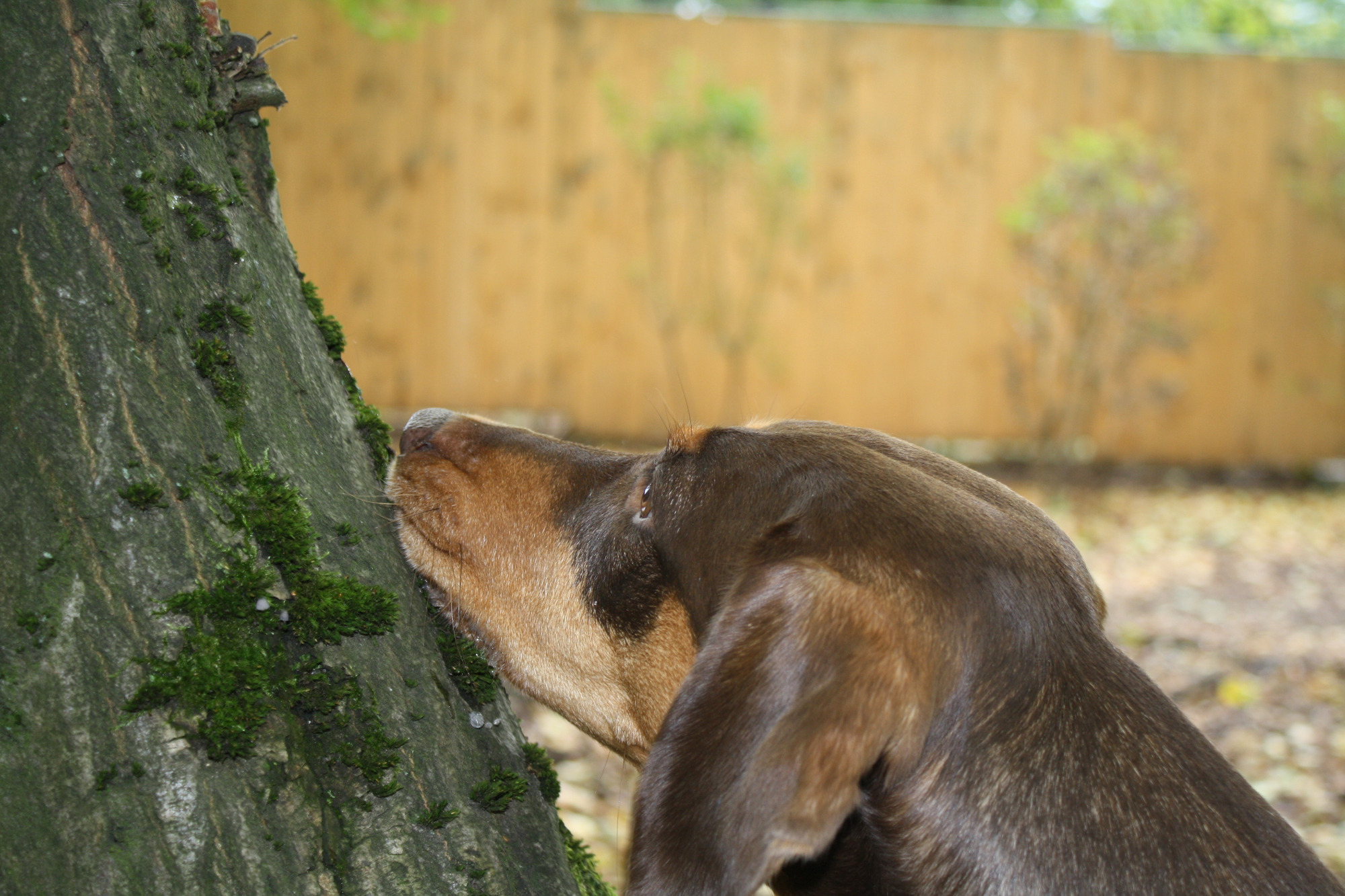
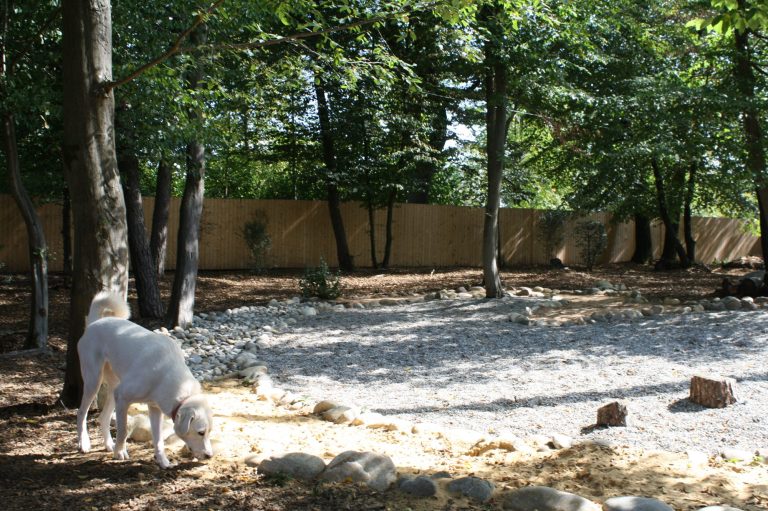
Here, Tila is sniffing and exploring a path made of different materials, including pebbles, wood chips and sand. Dogs have very sensitive paw pads, and walking across a variety of surfaces provides valuable sensory stimulation. By choosing for themselves which textures to explore, dogs can improve body awareness, coordination and confidence while enjoying a fun sensory experience.
Interview with Shelter in Kaiserlautern
A Sensory garden for shelter dogs in the Carl Hildebrand Animal Shelter in Kaiserslautern!
Read the exclusive article about Snuffle garden in Tierheim Carl Hildebrand Kaiserslautern here.
Birgitta Geerlings has spoken with Anne Knauber (Chairman and Veterinarian) and Jessica Bende (behaviourist) in August 2020.
Hopefully the animal shelter in Kaiserslautern is an inspiration for other shelters!
Interview with Anne Knauber About the Sensory Garden at Tierheim Kaiserslautern
The Animal Shelter in Kaiserslautern
The Carl Hildebrand Animal Shelter in Kaiserslautern was originally built in 1932 and underwent a major renovation in 2012 to meet modern animal welfare standards.
The shelter has been carefully designed to minimise stress for the dogs. The layout prevents unnecessary visual contact between dogs and reduces disturbance from visitors. Instead of walking directly past the kennels, visitors can observe the dogs from elevated viewing areas, creating a calmer environment for everyone.
At the time of this interview (December 2020), the shelter was caring for 19 puppies, 11 adult dogs, 30 cats, as well as rabbits, birds, turtles and other small animals. The shelter operates with a team of 15 employees supported by dedicated volunteers.
A Sensory Garden for Shelter Dogs
In 2020, the shelter opened a specially designed Sensory Garden for its dogs.
The Sensory Garden covers approximately 950 m² and is enclosed by a sturdy wooden fence. This allows the dogs to explore without being distracted by activity outside the garden while providing a safe and secure environment.
There are plans to expand the garden to approximately 1,500 m², creating even more opportunities for enrichment, exploration and relaxation.
The project was made possible through grants, donations from animal lovers, a crowdfunding campaign and support from the German Animal Welfare Federation (Deutscher Tierschutzbund). The design and planting of the green areas were generously sponsored by Nathalie and her company, Wildes Gartenherz.
What Does the Sensory Garden Look Like?
The Sensory Garden offers a wide variety of sensory experiences and enrichment opportunities.
Among its features are:
- A herb garden with aromatic plants
- Pathways with different surfaces, including pebbles, wood chips, sand and larger stones
- Straw bales and natural planting areas
- Exploration zones with shrubs and hiding places
- An elevated observation platform
- Regularly changing enrichment elements such as cardboard boxes and other interesting objects
The garden is designed to encourage natural canine behaviours such as sniffing, exploring, searching and making choices independently.
What Do the Staff Think of the Sensory Garden?
The Sensory Garden has exceeded all expectations.
Staff members have observed positive effects not only on the dogs' emotional wellbeing but also on their physical health.
Dogs recovering from surgery, for example, benefit greatly from walking across the different surfaces. These varied textures help improve balance, coordination, body awareness and muscle strength. The dogs naturally pay more attention to where they place their paws, supporting both mental engagement and physical rehabilitation.
Benefits of a Sensory Garden for Shelter Dogs
The shelter team has observed many benefits, including:
- Reduced stress levels
- Increased relaxation
- Greater self-confidence
- Mental stimulation and enrichment
- Freedom to explore at their own pace
- More variety in daily shelter life
- Opportunities to express natural behaviours
- Improved emotional wellbeing
- Increased curiosity and motivation
- Support in overcoming fears through voluntary exploration
- Enhanced physical movement and coordination
- Improved learning and problem-solving abilities
Because dogs experience the environment through their noses, giving them opportunities to sniff and explore can have a profound positive impact on their welfare.
How Often Do the Dogs Visit the Sensory Garden?
Many dogs that are participating in training programmes visit the Sensory Garden every day.
However, every dog has an individual care and training plan tailored to its specific needs. Most visits last no longer than thirty minutes.
Sometimes the garden is used as part of a structured training session. At other times, dogs are simply given the opportunity to explore independently and enjoy the environment at their own pace, free from expectations or pressure.
About the Dogs at the Shelter
Dogs arrive at the shelter for many different reasons.
Some are surrendered following behavioural challenges or biting incidents. Others have been confiscated from unsuitable living situations. The shelter also provides care for dogs transferred from other shelters that require specialised behavioural support.
Many of these dogs participate in a programme called HUKO.
Before entering the programme, every dog receives a thorough medical examination. The shelter recognises that behavioural problems can sometimes be linked to pain or underlying health issues.
Dogs then work with certified trainers in a specially equipped training centre. Families who adopt a HUKO dog receive extensive guidance, including a tailored training and management plan and support in their home environment.
The programme has been highly successful and was recognised with an animal welfare award from the German Ministry for Environment, Agriculture, Food and Consumer Protection.
The Sensory Garden plays an important role in supporting these dogs throughout their rehabilitation and training process.
Additional Projects at the Shelter
The shelter is continuously investing in innovative animal welfare initiatives.
At the time of the interview, a new training hall was being developed to provide:
- A quiet and low-stimulation training environment for shelter dogs
- Educational programmes for children focused on animal welfare and canine body language
- Preventative training designed to reduce the likelihood of dogs being returned to the shelter
- Free training opportunities for adopters
- Affordable courses for members of the public
The shelter's dedication to animal welfare and education has resulted in continued recognition and support from various organisations and funding bodies.
For more information about Tierheim Kaiserslautern and its projects, please visit their website https://www.tierheim-kaiserslautern.de/